

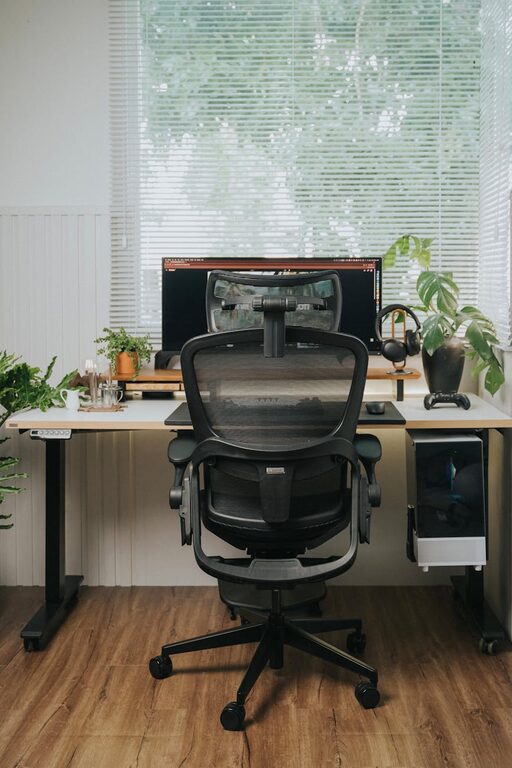
Creating a relaxing home office environment is essential for maintaining productivity and reducing stress while working from home. With many people spending significant time in their home workspaces, it’s important to design an area that feels comfortable, organized, and inspiring. Whether you have a dedicated room or a small corner, these tips will help transform your setup into a calming retreat that enhances focus and well-being.
Choose the Right Location
Finding the ideal spot for your home office is the first step in creating a relaxing environment. Whenever possible, pick a quiet area away from household traffic and distractions. Natural light is a big bonus, as it helps improve mood and energy levels throughout the day. If you don’t have access to a window, make sure you have good artificial lighting that mimics daylight.
Invest in Comfortable Furniture
Comfort is key when setting up your workspace. Select a chair with good lumbar support and an adjustable height to maintain proper posture. Your desk should be at a height that allows your forearms to rest evenly while typing or writing. Ergonomic furniture not only prevents aches and pains but also helps you stay focused longer.
Keep It Organized
A cluttered workspace can increase stress and decrease efficiency. Use storage solutions like shelves, drawers, and desk organizers to keep your supplies tidy. Consider a filing system for important documents to prevent piles of paper from building up. Regularly declutter your workspace at the end of each day to keep it inviting.
Incorporate Natural Elements
Bringing elements of nature into your office can help create a soothing atmosphere. Place a few low-maintenance plants on your desk or shelves to add a touch of green. Natural materials, like a wooden desk or bamboo accessories, also contribute to a warm and calming environment. If possible, position your desk near a window with a view of nature for added relaxation.
Personalize Your Space
Your workspace should feel inviting and motivating. Add personal touches such as photos, artwork, or items that inspire you. However, aim to keep decorations subtle and not overwhelming. A few meaningful objects can boost your mood without distracting you from your work.
Manage Noise Levels
Noise can be a major source of stress during work hours. If external sounds are unavoidable, try using noise-canceling headphones or playing soft background music. White noise machines or ambient sound apps can also help mask distracting noises and keep you focused.
Use Calming Colors
The colors in your workspace can influence your mood and productivity. Soft, neutral tones like light blues, greens, or pastels are often associated with calm and focus. Avoid overly bright or harsh colors that can cause eye strain or agitation. If repainting is not an option, use color through accessories, artwork, or textiles like rugs and curtains.
Maintain Good Air Quality and Temperature
A fresh, well-ventilated room can improve concentration and comfort. Use an air purifier or open windows to bring in fresh air when possible. Also, keep the room at a comfortable temperature to prevent distraction from being too hot or cold. A small fan or heater can help regulate the climate in your workspace.
Establish a Routine and Boundaries
Finally, creating a relaxing home office includes how you use the space. Set regular work hours and create rituals that signal the start and end of your workday. This helps separate work time from personal time and reduces burnout. Make sure to take breaks, stretch often, and leave your workspace when your day is done.
—
By thoughtfully designing your home office with relaxation in mind, you can enjoy a more productive and pleasant work experience. Implement these tips little by little, and you’ll find that a calm, organized space makes it easier to focus and stay motivated every day.